What is Emotional Regulation?
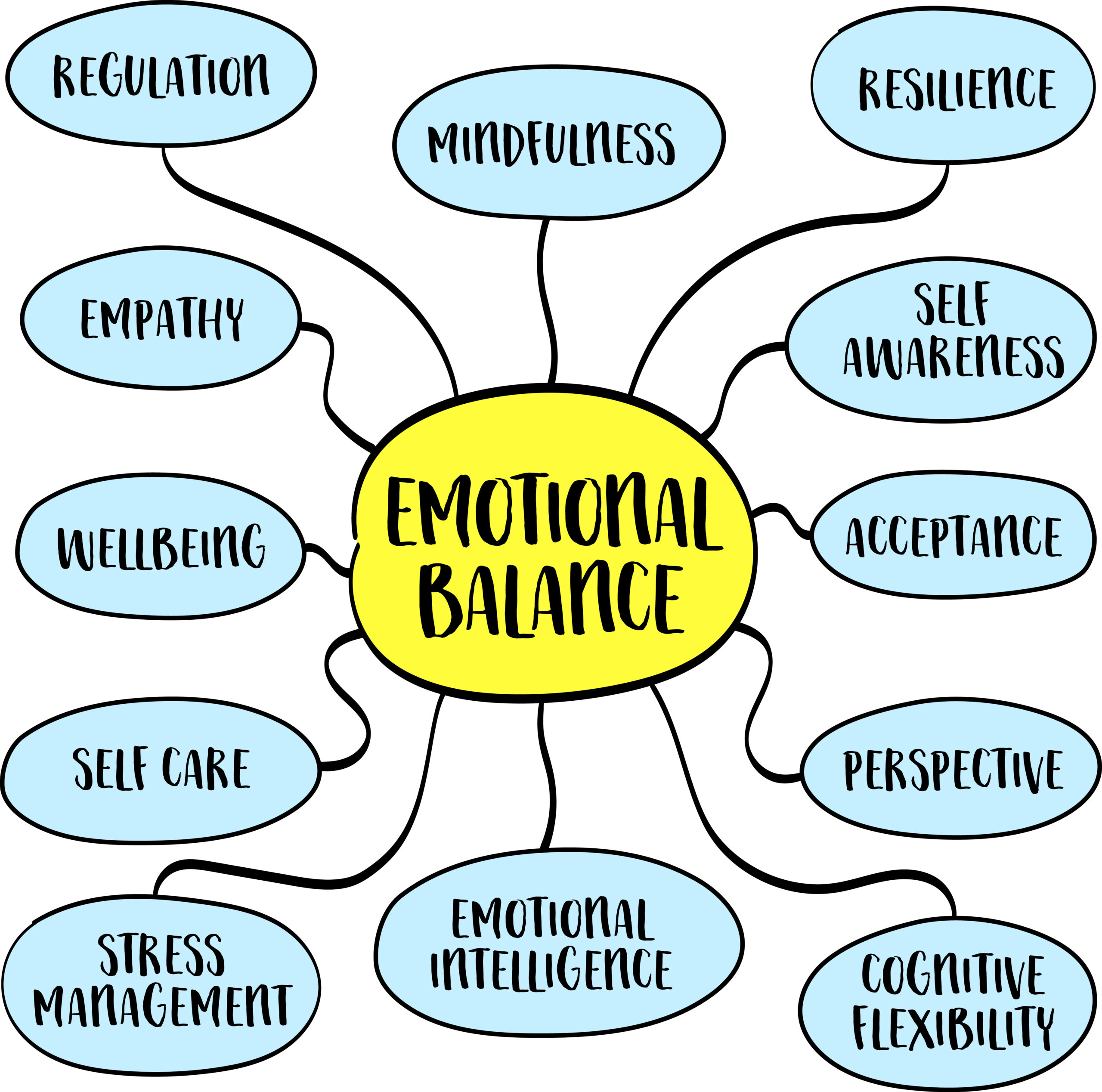
Emotional Regulation
Emotion regulation is guided by the ability to manage and respond to emotional experiences in adaptive ways and choosing strategies that support long-term well being rather than short-term relief.
Some individuals may experience intense and unpredictable emotions, like being on an out-of-control roller coaster and when emotions become overwhelming, there may be a strong urge to act on impulse to stop the intensity.
Emotional Dysregulation
Emotion dysregulation refers to the difficulty of using healthy strategies to manage or tolerate negative emotions. The challenge is around how the emotion is viewed. Moreover, when emotions are viewed as unbearable or unmanageable, distress intensifies or peaks, creating what is often called a vicious emotional cycle.
The thought-emotion-behaviour cycle is a connected sequence in which a triggering situation leads to thoughts which influence emotional reactions and physical sensations such as fatigue which influence behaviours like isolation. These areas can reinforce one another, keeping emotional distress ongoing and continuous.
Emotional Regulation Skills
Children develop emotion regulation skills through observation and guidance from caregivers and educators. Interventions can include a focus on teaching adults how to model healthy regulation and providing children with opportunities to practice emotional skills both at home and in school.
The goal of emotion regulation is to decrease the tendency and reliance on maladaptive coping strategies and increase the use of adaptive strategies which supports the development of emotional flexibility, resilience and long-term well-being.