Therapy For Kids With Anxiety
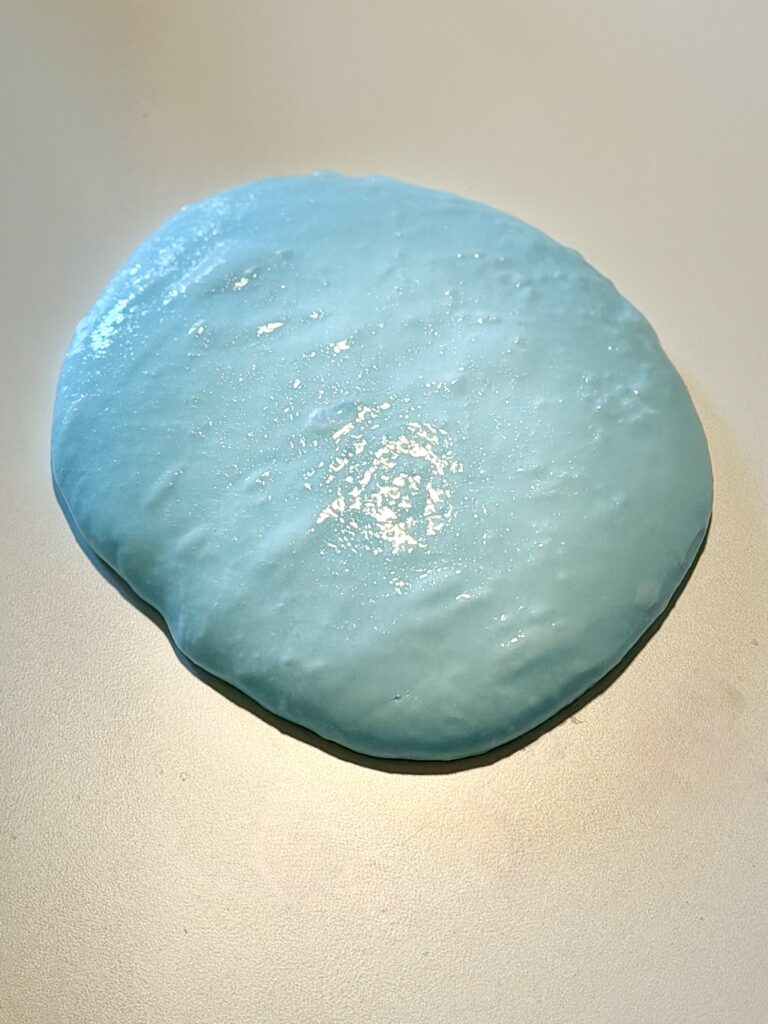
There are a variety of types of therapy for kids dealing with anxiety. What's most important is that the type of therapy work for the kid. I'm going to describe two types of therapy that are hands on, focus on somatic elements, which works great with slime!
What Is Sand Tray Therapy?
Overview of Sand Tray Therapy
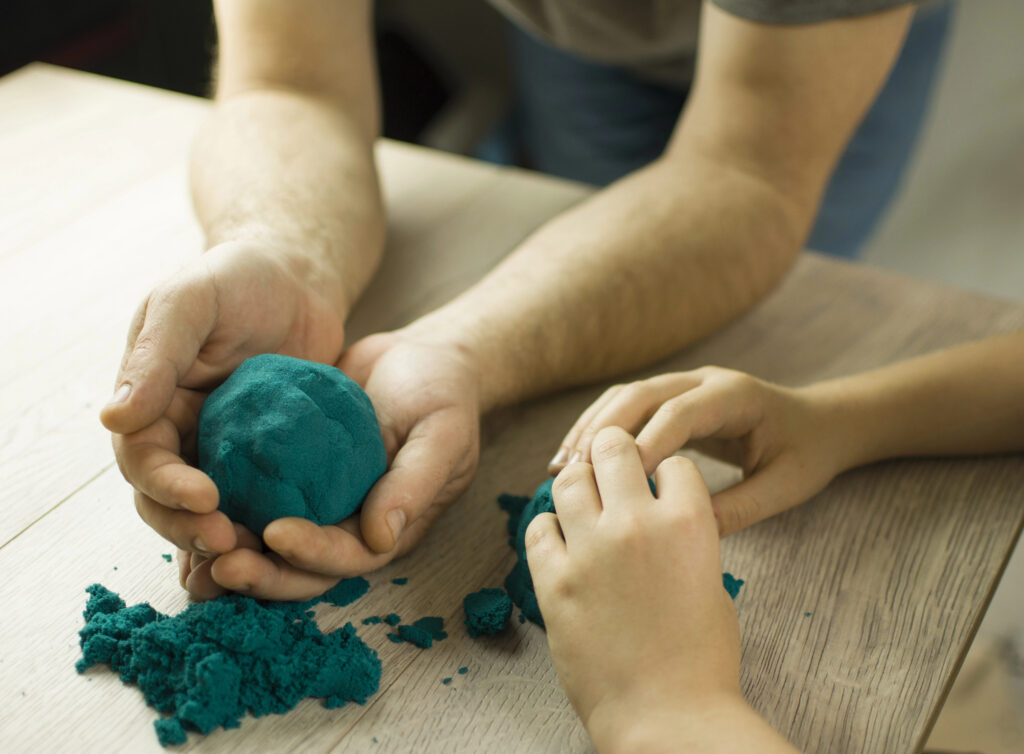
Sand Tray Therapy is an expressive form of therapy which is done through the exploration of thoughts, emotions and experiences without needing to rely on words. Sand, water and miniature objects are used to create scenes of a person’s inner world. This form of therapy can be especially useful when addressing emotions that can feel overwhelming, confusing and difficult to explain. This form of therapy can be used with children, adolescents and adults, making it accessible to people of different developmental levels and abilities. Sand Tray Therapy is used by mental health professionals in schools, hospitals and private offices.
The Process of Sand Tray Therapy
Sand Tray Therapy encourages self-expression in a safe and creative way. Individuals choose objects and arrange them in ways that feel most authentic to them and as a way of representing their inner world. Sand Tray Therapy highlights the unconditional acceptance and non-judgemental environment formed by no right or wrong creations which help individuals feel safe, secure and supported which can strengthen emotional regulation skills over time.
Sand Tray Therapy can be effective for individuals who have experienced traumatic events. The Sand Tray provides an opportunity to externalize trauma by showing their experiences rather than verbally describing it. Children with chronic illnesses often experience high levels of anxiety, emotional distress and social withdrawal and the symbolic nature of Sand Tray Therapy helps children express emotions they may not fully understand, supporting emotional well-being and healthier social relationships.
What Is Play Therapy?
Overview of Play Therapy
Play therapy is a therapeutic approach that uses play as the primary way for children to express what is happening internally such as their thoughts, emotions and experiences.
The Process of Play Therapy
Play is an essential component for healthy emotional development. Through play are children able to explore relationships, experiment with ideas and make sense of the world and their experiences.
Some of the goals of play therapy include creating an environment where children feel safe to share their inner experiences their own way. Through play, children can explore emotions, fears, conflicts and worries while developing self-awareness and emotional understanding. Play therapy is intended to be more of a collaborative process rather than a stand-alone treatment. Therapists work closely with parents and caregivers to help them understand what their child is experiencing emotionally. By doing this, parents learn practical and effective ways to support their child’s needs and strengthen the parent-child relationship.