Using Slime As A Therapeutic Tool
What is Slime Therapy?
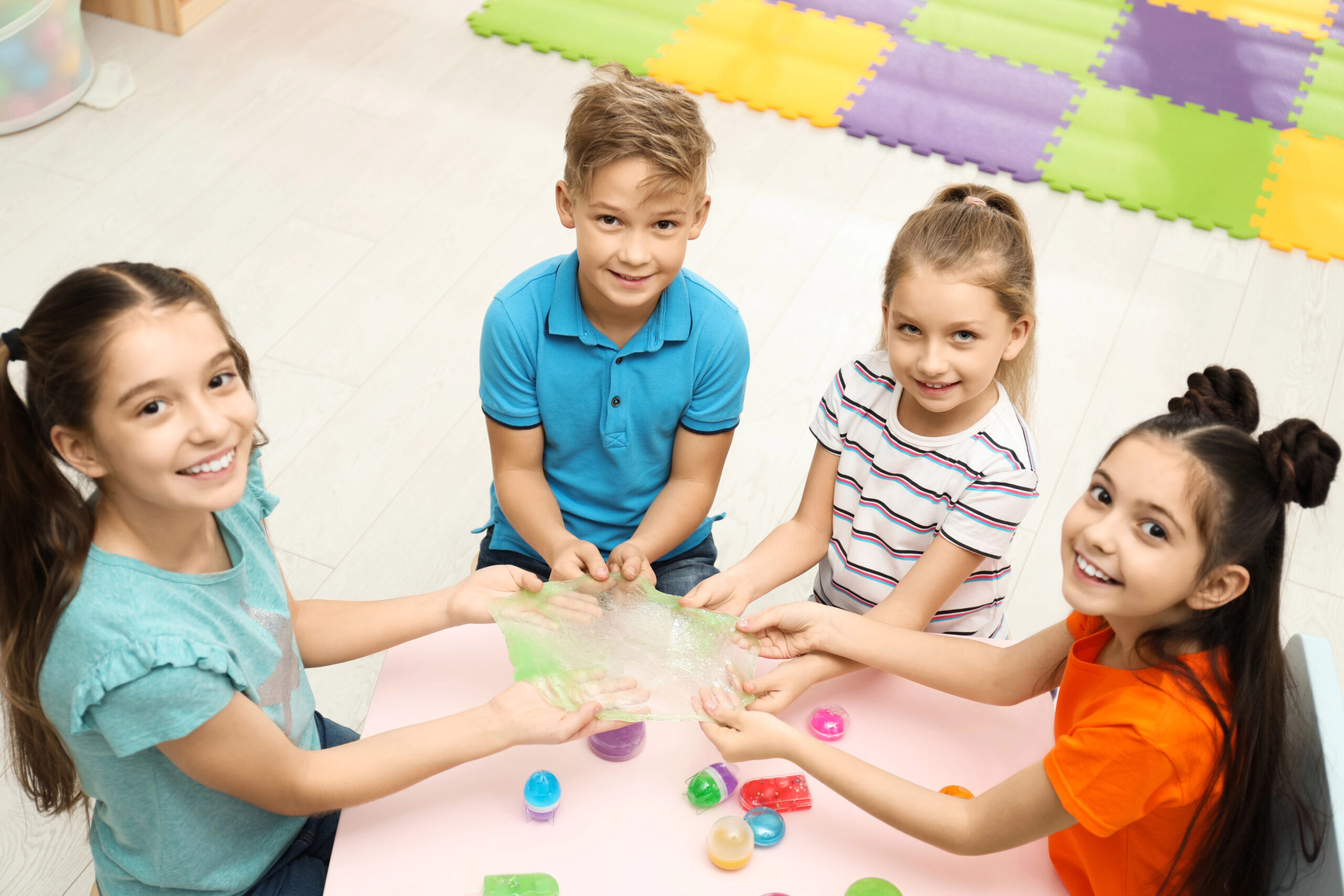
Ok, so Slime Therapy isn't officially a form of therapy, but it sure can be helpful, including in Sand Tray Therapy and Play Therapy. Slime can be used as a sensory-based therapeutic tool to support emotional regulation, mindfulness, and stress relief. It provides a hands-on, engaging way for children to explore feelings and connect with their environment without relying solely on verbal communication.
Creating Comfort and Connection
Slime can help children feel at ease by creating a relaxed and playful environment. It also allows therapists or caregivers to observe what a child enjoys, helping build connection and rapport. This highlights the value of nonverbal and play-based approaches in therapy.
Sensory Engagement and Nervous System Regulation
Slime is a powerful sensory tool that engages touch, sight, and smell. The physical interaction—such as squeezing, stretching, and kneading—stimulates the nervous system and can help release tension. Repetitive hand movements promote relaxation and support regulation by calming the body’s stress response.
Stress Reduction and the Brain–Body Connection
When the body perceives stress or danger, it activates the “fight-or-flight” response. Slime can help interrupt this cycle by redirecting attention and releasing physical tension. Squeezing and releasing slime relaxes muscles, while sensory stimulation sends calming signals to the brain. This process can improve mood through the release of endorphins and reduce focus on stressors.
Mindfulness and Present-Moment Awareness
Using slime encourages mindfulness by focusing attention on sensory experiences such as texture, temperature, color, and movement. This helps individuals stay present and shift attention away from worries about the past or future, promoting calmness and mental clarity.
Developing Self-Regulation Skills
Slime activities provide opportunities to practice self-regulation. While making or playing with slime, children can experience unexpected outcomes and learn to manage frustration, problem-solve, and talk through their reactions. This supports emotional awareness and coping skills.
Building Executive Functioning Skills
Making slime involves planning, following instructions, sequencing steps, and problem-solving. These processes help develop executive functioning skills such as organization, attention, and flexible thinking. Reflecting on outcomes also encourages learning and improvement.
The Role of Play in Development
Maria Montessori emphasized that “play is the work of the child,” highlighting that children learn through active engagement. Sensory play, like using slime, supports brain development by connecting sensorimotor, cognitive, and social-emotional experiences.
Research and Professional Perspectives
Mental health professionals highlight the therapeutic benefits of sensory play.
Brittany A. Johnson explains that touching, smelling, and seeing materials like slime can act as grounding techniques that send calming signals to the brain.
Jack Turban notes that slime play supports mindfulness by helping individuals focus on present sensory experiences, making it easier to shift attention away from anxiety.
Why Slime Is Effective
Slime is an effective therapeutic tool because it combines sensory engagement, movement, and mindfulness. It helps reduce stress, improve focus, support emotional regulation, and provide a safe, accessible way for individuals, especially children, to explore and manage their emotions.